Community Voices
Royal Navy Patrol Service Association Marks 30 Years of HMS Wildfire III Remembrance
royal navy patrol service
memorial
ww2 service
community
The Royal Navy Patrol Service Association returned to Queenborough for the 30th annual HMS Wildfire III parade and service, held on the site of the former wartime minesweeper base.
Published 26 September 2026
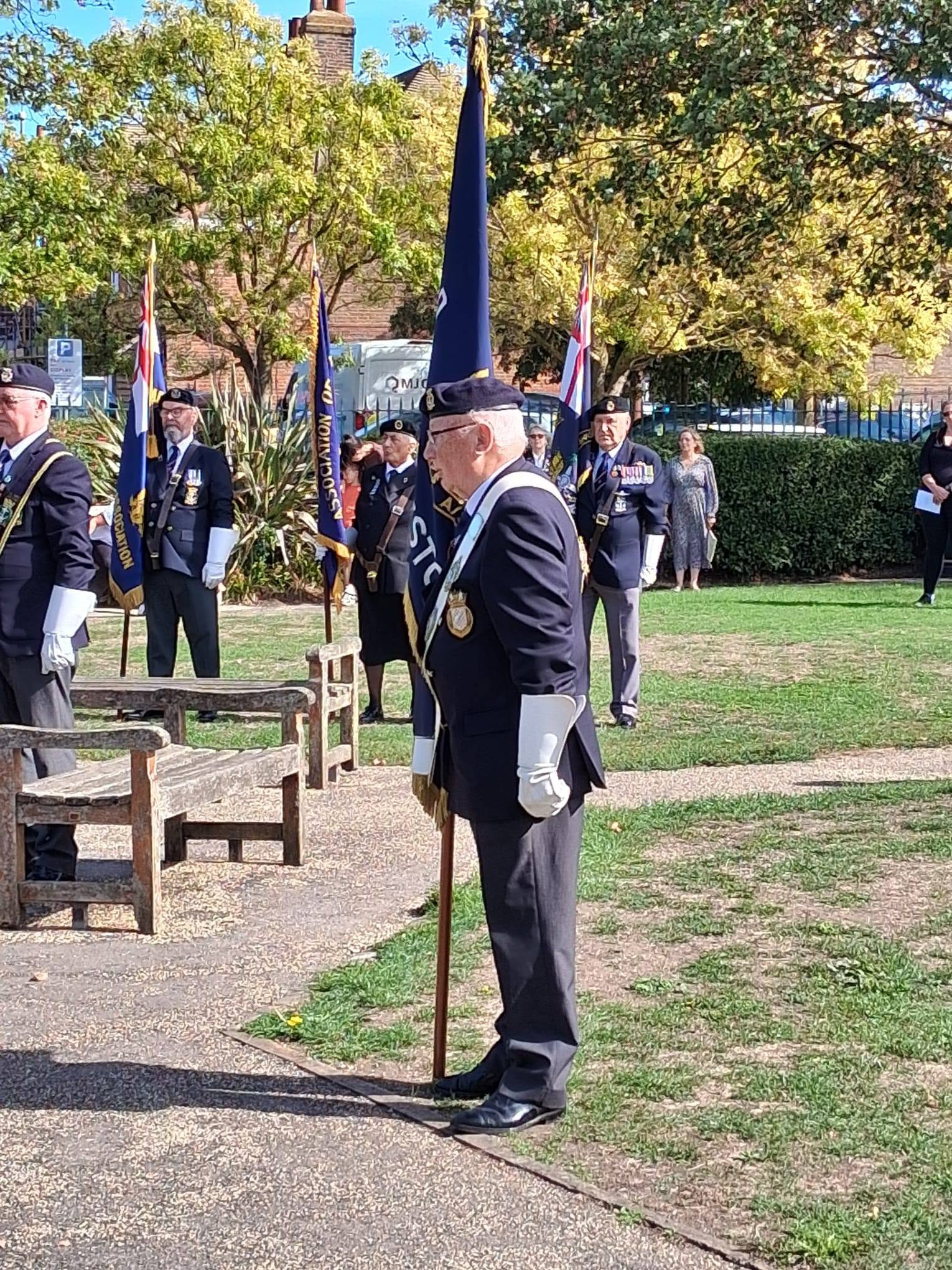
Kind weather helped make this year’s commemoration especially memorable. Led by the Isle of Sheppey Band, the parade brought together standards and veterans’ organisations in a moving act of remembrance. The Association’s wreath was laid by its Curator, Bonnie Whisstock, while the parade of standards was led, as usual, by the National Standard.
The service is the result of a remarkable local partnership. In 1995, a former Commander of HMS Wildfire III revisited the area and was disappointed to find no memorial to the wartime base. He contacted Swale Borough Council, which investigated and discovered the Royal Navy Patrol Service Association.
Four Association members then travelled from Lowestoft to meet representatives of Swale Borough Council and Queenborough Town Council. Drawing on the Association’s reunion parade and other commemorative services, the group worked together to develop a format that would properly honour the people who served from the base.
The first parade and service took place in 1996. Thirty years later, the same core format continues: standards, music, wreath-laying and a service of remembrance on the ground where the wartime patrol service once operated.
The annual HMS Wildfire III commemoration is a powerful example of how veterans’ associations, local councils and communities can work together to protect the memory of wartime service and keep historic places connected to the people who served there.